By Jon Rasmussen, Vita Plus dairy technology specialist
As computer herd management programs improve, calf raisers have the opportunity to define what information needs to be recorded that can help treat calves and identify strategies for improvement.
By Dr. Jenn Rowntree, Vita Plus calf and heifer specialist
The past two years have both been wet years, which is often associated with an increased risk for bovine respiratory disease in cattle of all ages. Consider these strategies to improve gut health and overall immune function.
By Dr. Jenn Rowntree, Vita Plus calf and heifer specialist
Vaccines are an important part of any calf raising program, however, we may not be handling them correctly to get the most out of them. Here are five ways to protect vaccine quality.
Before they installed autofeeders in the calf barns at Minglewood, Inc., Kristin Quist, calf manager, said the team used to spend 16 hours a day feeding calves three times a day. Now, Quist invests eight hours a day and has more flexibility in the schedule to dedicate time to other areas of the dairy.
In this edition of Calf Chat, Dr. Jenn Rowntree discusses the importance of walking through calf autofeeder pens, and calibrating and cleaning the machines regularly.
In this edition of A Day in the Life of a Calf Raiser, Heidi Fischer of Fischer-Clark Dairy Farm Inc. discusses the tools her team uses to communicate with each other.
By Dr. Noah Litherland, Vita Plus dairy youngstock technical specialist
Dr. Noah Litherland explores the protein requirements of the growing calf and what role calf starter can play in reaching growth goals.
By Dr. Kendra Wells, Valley Veterinary Clinic
Diagnosing pneumonia can be difficult because most cases are subclinical. However, using an ultrasound can help view lung lesions and lead to an effective monitoring program.
By Ann Hoskins, Vita Plus calf products coordinator
It is critical for calves to receive milk between 100 and 105 degrees F, but this can be challenging during the winter. Try any of these seven ways to keep milk warm before you feed it.
As you walk through the calf-raising facilities at Ruedinger Farms, Inc. in Van Dyne, Wisconsin, you notice calf care protocols clearly written and posted in each building. This is just one of the tools the team uses to consistently raise quality replacement heifers.
In this edition of A Day in the Life of a Calf Raiser, Heidi Fischer of Fischer-Clark Dairy Farm Inc. discusses her methods to keep calf records and equipment organized.
By Dr. Jenn Rowntree, Vita Plus calf and heifer specialist
Colostrum is one of the best ways to ensure adequate transfer of immunity from the dam to the calf. However, when a calf doesn't receive enough immune protection, it can be vulnerable to health challenges.
By Dr. Melissa Haag, Lodi Veterinary Clinic
Ensuring a smooth and healthy pregnancy for the calf and its mother is important, but it is also important to do the same for pregnant female farm workers. Here are four ways to accommodate a safe human pregnancy on the farm.
By Ann Hoskins, Vita Plus calf products coordinator
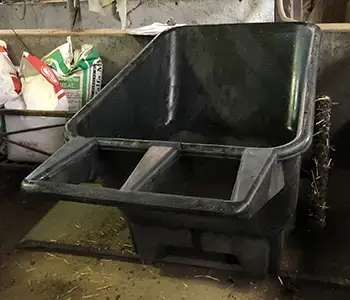
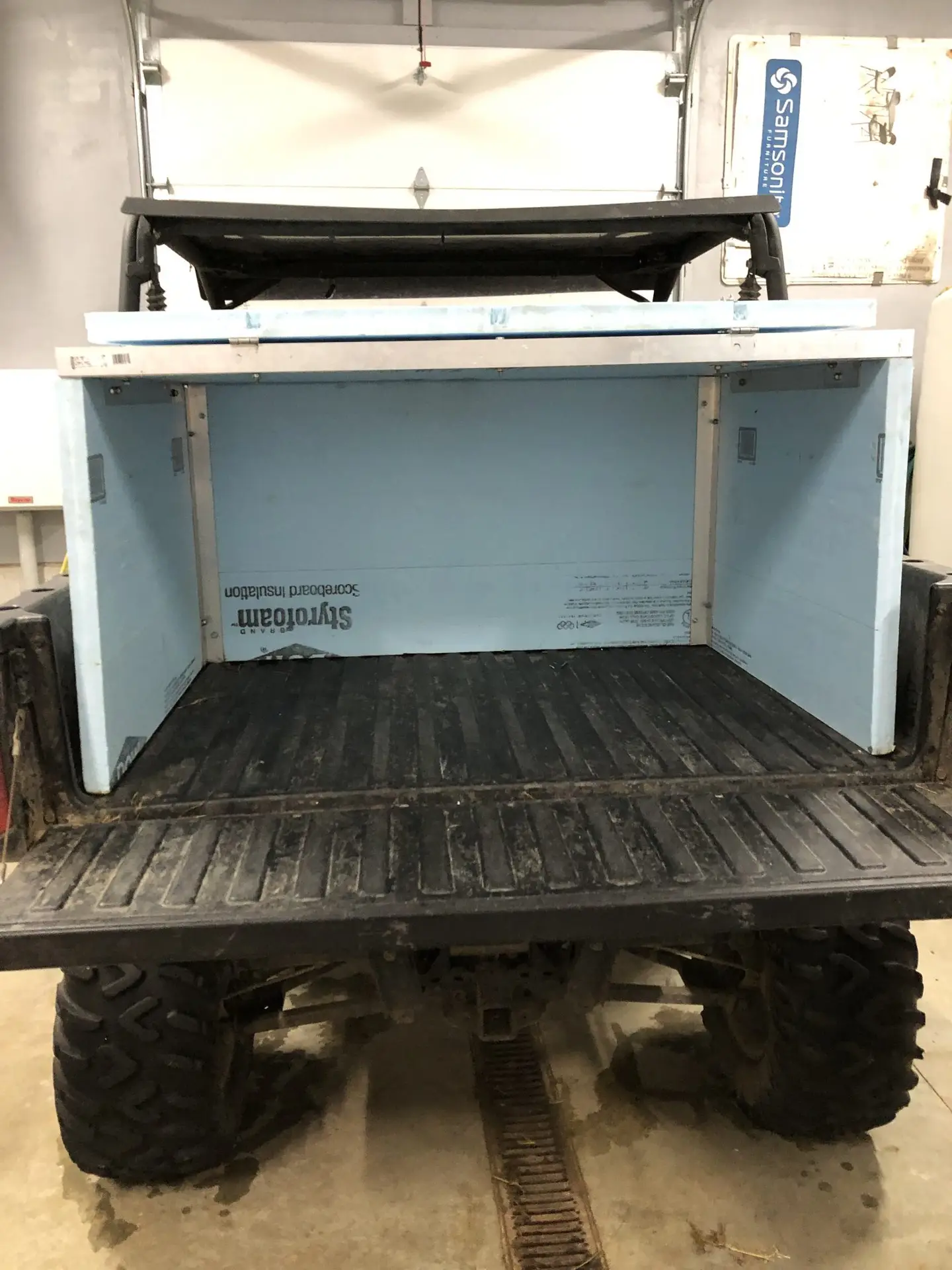
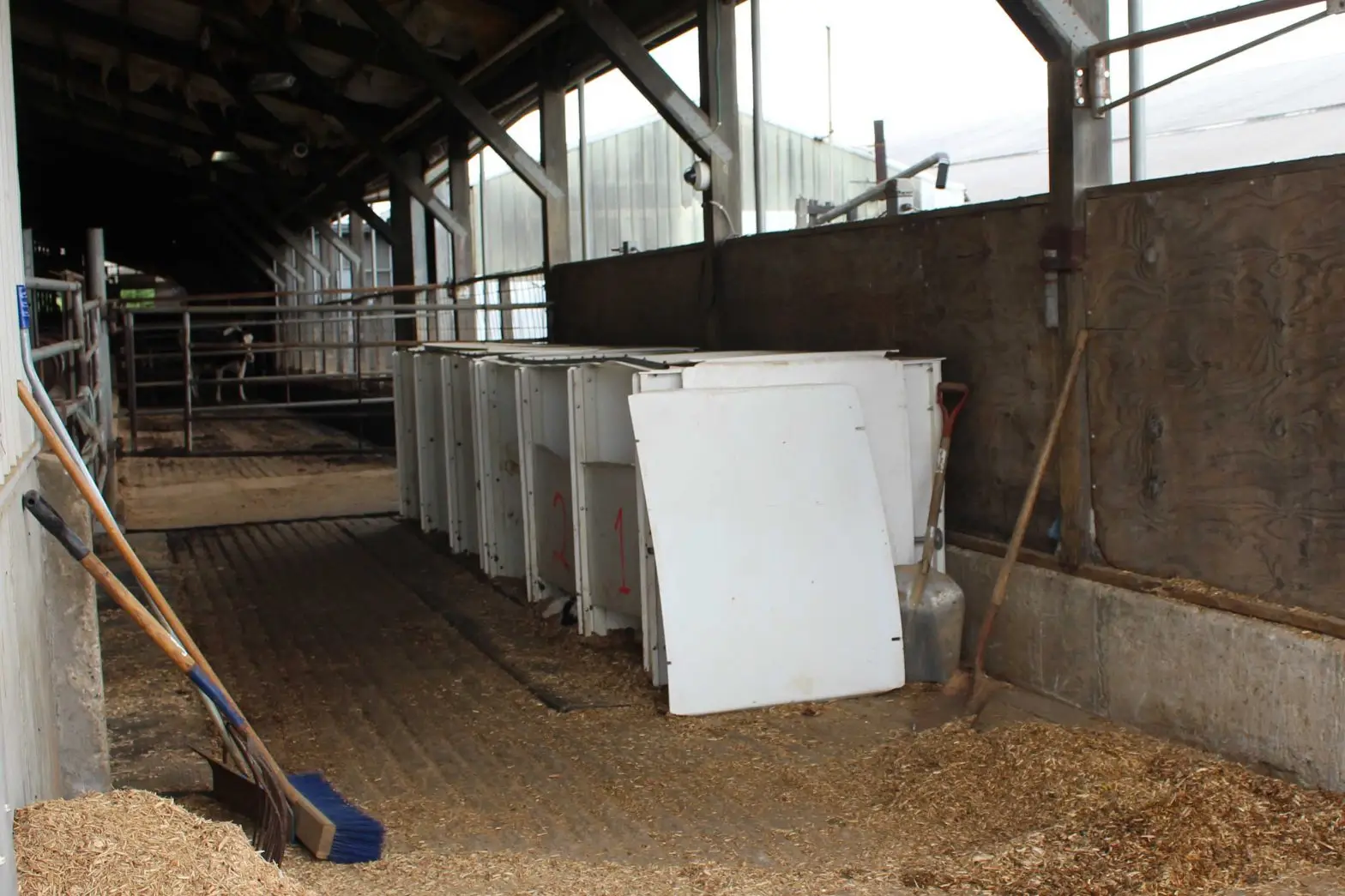
Moving transition calves can be a daunting task, but it doesn't have to be. These four steps can help make the job much easier and safer for everyone involved. Pictures included.